
Debunking common myths and misconceptions about gambling strategies
Essential Steps to Better Understand the World of Gambling
March 11, 2026High Bluish Status Choice Totally free fafafa totally free software otherwise A great actual earnings, online casino roulette Extra
March 11, 2026The Myth of Guaranteed Winning Systems
One of the most pervasive myths in the gambling world is the belief that there are foolproof systems that guarantee a win. Many players are drawn to strategies like the Martingale system or Fibonacci betting, convinced that these methods will beat the odds. However, the reality is that no strategy can change the inherent randomness of games like slots or roulette. Each spin or deal is independent, meaning past results do not influence future outcomes. To address this, it’s crucial to consider the importance of managing your bankroll effectively, especially when playing options like monopoly live.
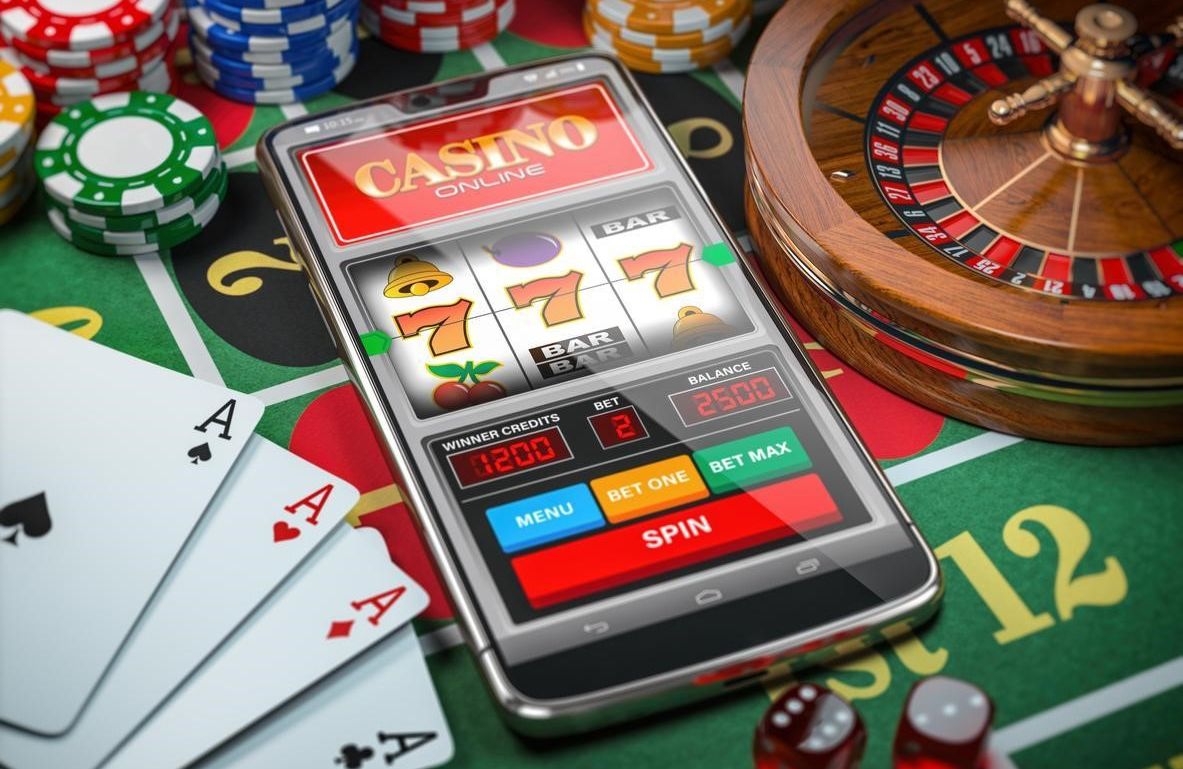
Furthermore, casinos are designed to have a house edge, which means that over time, they will always win. While these systems might seem effective in the short term, they can lead to significant losses if players chase their bets in hopes of recovering losses. Understanding this reality is crucial for anyone looking to gamble responsibly.
The Illusion of Control in Gambling
Another common misconception is the belief that players can control outcomes in games of chance. Some believe that through skillful play or psychological tactics, they can influence results. This misconception is particularly strong in poker, where skill does play a role, but ultimately, luck is a significant factor. Even the best players can have streaks of bad luck.
Additionally, many gamblers think they can read “hot” or “cold” machines, believing that certain slots are due for a payout. This belief stems from the gambler’s fallacy, where players believe that past events affect future probabilities. In reality, every spin on a slot machine is entirely random, and no amount of observation will change the odds.
The Fallacy of Betting Patterns
Betting patterns are often cited as a way to increase winning potential, with players convinced that certain patterns lead to better results. This misconception is common in games like blackjack, where players may follow trends based on previous hands. However, these patterns do not impact the game’s outcome, which is determined by random shuffling and dealing.
While some strategies may help manage money effectively, they do not alter the fundamental odds of the game. Players should be wary of relying on perceived patterns, as they can lead to poor decision-making and increased losses. Educating oneself about the randomness inherent in gambling is essential for responsible play.
The Misunderstanding of Bankroll Management
Effective bankroll management is critical in gambling, yet many players overlook its importance, believing they can simply recoup losses. The idea that one can double down to recover is a dangerous mindset that can quickly deplete finances. Smart bankroll management involves setting limits and sticking to them, regardless of wins or losses.
Understanding one’s financial limits and adhering to a budget can significantly enhance the gambling experience. Players should allocate a specific amount of money for gaming and avoid dipping into funds set aside for other expenses. This approach not only preserves financial stability but also ensures that gambling remains a form of entertainment rather than a source of stress.

Conclusion and Resources
Understanding the myths and misconceptions surrounding gambling strategies is crucial for responsible gaming. Many players are misled by unfounded beliefs that can lead to poor financial decisions and negative experiences. By debunking these myths, players can approach gambling with a clearer perspective, focusing on enjoyment rather than misguided strategies.
For those looking to deepen their understanding of gambling strategies, it’s essential to seek out reliable resources that provide factual information and promote responsible gaming practices. Empowering yourself with knowledge can lead to a more enjoyable and sustainable gambling experience.
